The manpower of Kaizen Global is its most valuable resource. To keep our people safe and protect our clients' investment and facilities, we have built a strong health and safety culture driven by one goal: zero accidents and zero man-hours lost.
Every accident is preventable.
That is not a slogan on a site board. It is the assumption every method statement is written from: if an incident could happen, a control was missing — so the work of QHSE is finding the missing control before the job starts, not explaining it afterwards.
Our people are the most valuable thing we put on a site, and the most exposed. Equipment can be replaced and a schedule can be recovered; an injury cannot. That ordering decides how we plan, resource, and price every scope we take on — including turning work down when it cannot be done safely to the client's timetable.

These apply on a single-day equipment swap exactly as they apply on a full fabrication and installation scope. Scale changes the paperwork, not the standard.
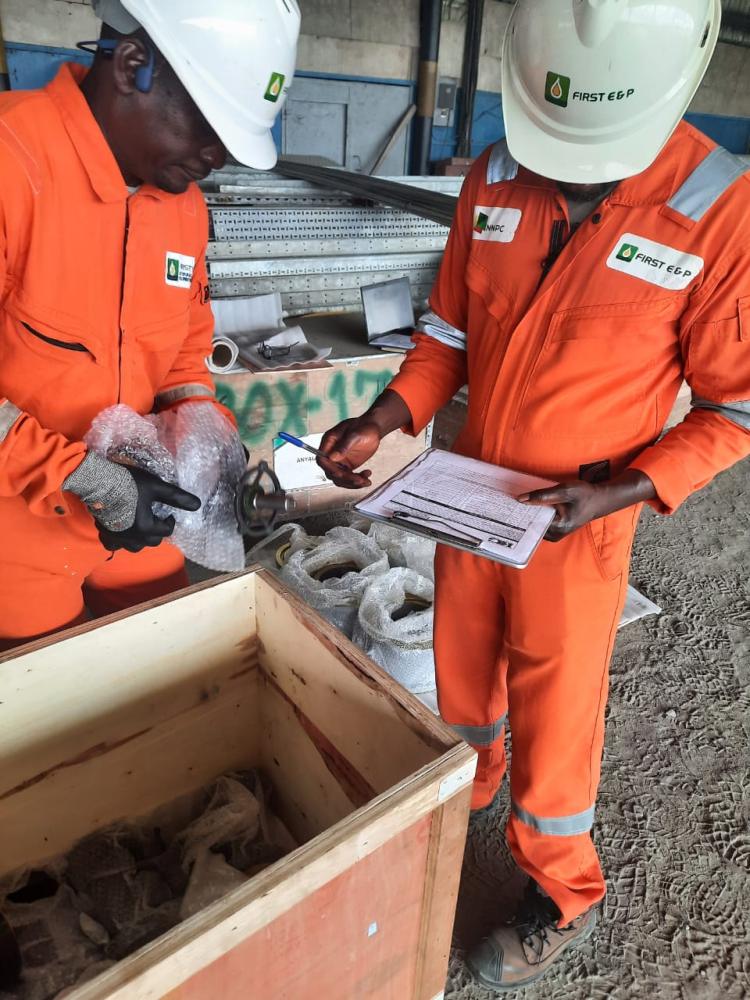
Personal protective equipment appropriate to every task, every time, on every site — issued, inspected, and replaced rather than assumed to be in the van.
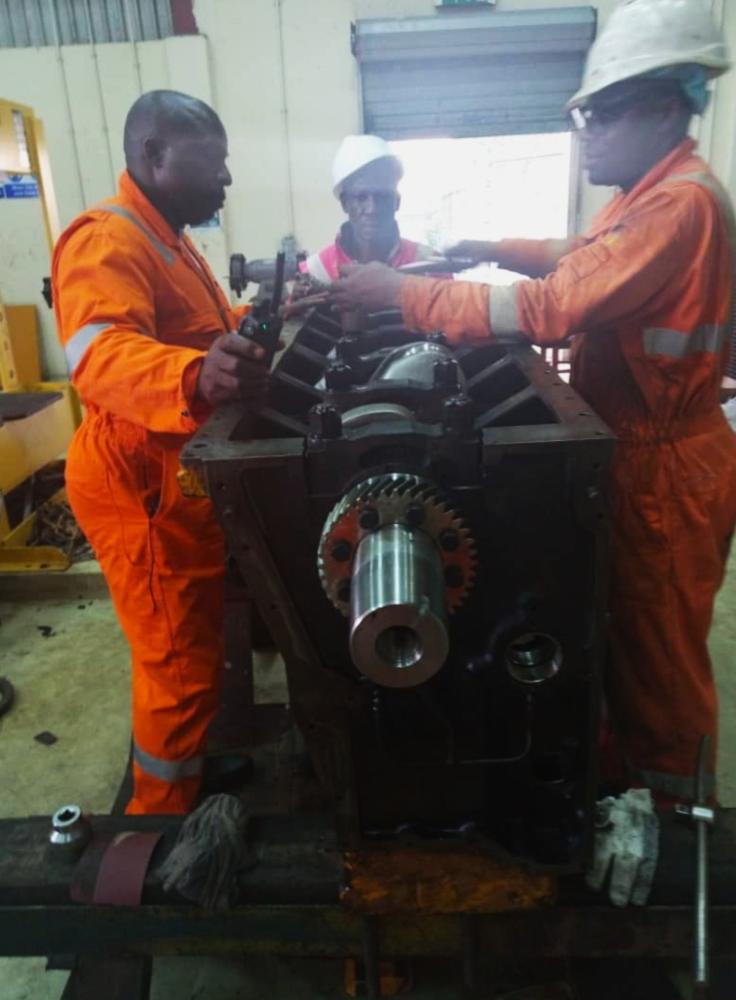
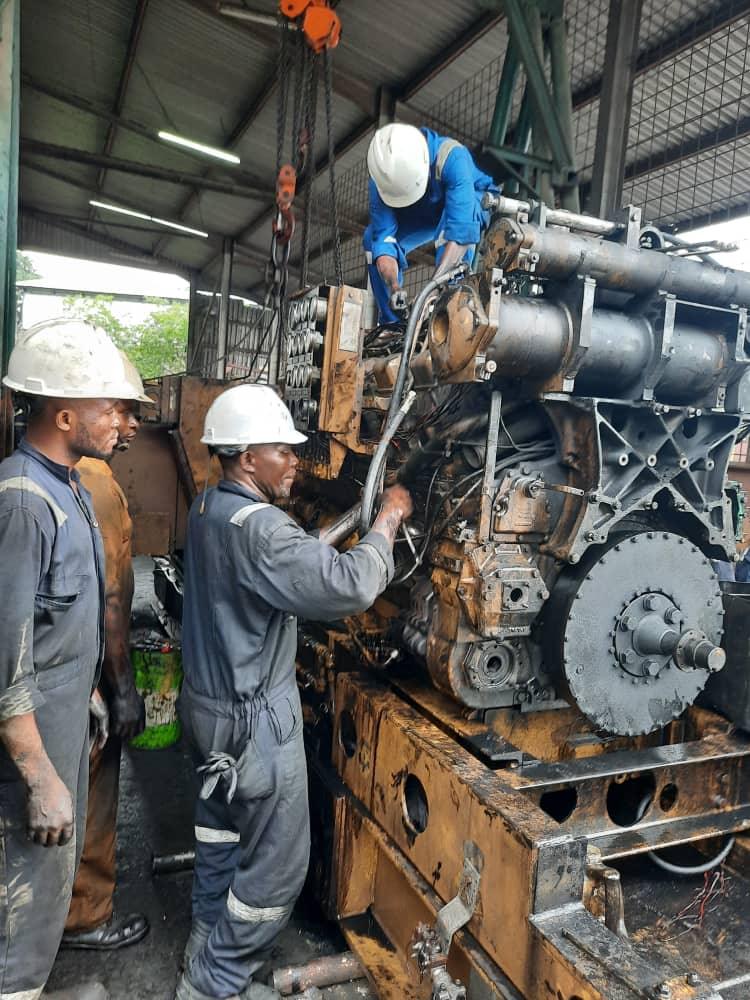
Equipment is inspected and maintained to a standard that removes preventable failure as a cause of incident. Anything that fails inspection is quarantined, not nursed along.
Every team member is trained and certified against industry QHSE standards before they are on site, and their certification is verified rather than taken on trust.
Ongoing audits catch risk before it becomes an incident. The conviction behind our record is simple: every accident is preventable.
Every service is delivered safely, to industry quality specifications, and under the Kaizen Quality Management System — certified to ISO 9001:2015.
The system defines performance objectives, responsibilities, processes, planning, procedures, job execution plans, and the supply-chain interface. Management provides the development support, implementation and communication plans, and continuous-improvement strategy behind it, and every employee uses it to plan, execute, control, and verify their work.
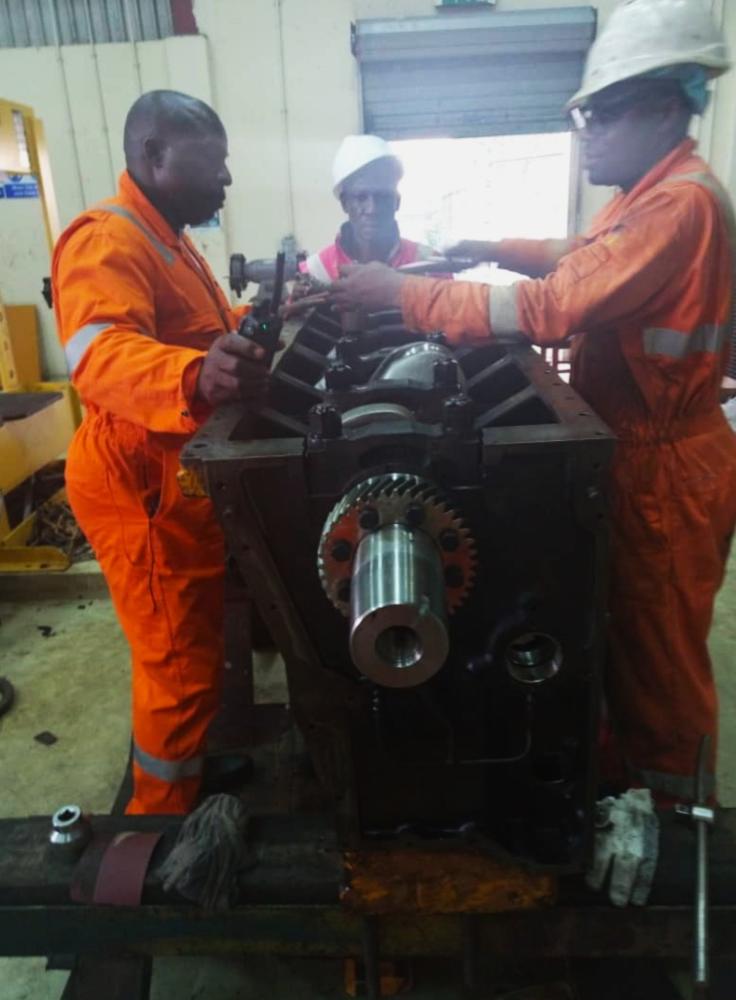

Harnesses inspected before they are clipped on, permits held by the person doing the task, and a crew that knows it can stop the job. Safety that only exists in the file is not safety.
Talk to our QHSE teamThe QHSE plan is agreed before anyone mobilises — never written up afterwards to match what happened.
Hazards identified against the actual scope and site conditions, not a generic template carried over from the last job.
Method statement and risk assessment agreed with the client before mobilisation, with controls named and owned.
Toolbox talk before work starts, and again whenever the scope, crew, or conditions change.
Permits observed, controls in place, and stop-work authority held by everyone on the crew — not just the supervisor.
Close-out, lessons recorded, and the findings fed into the next job rather than filed.
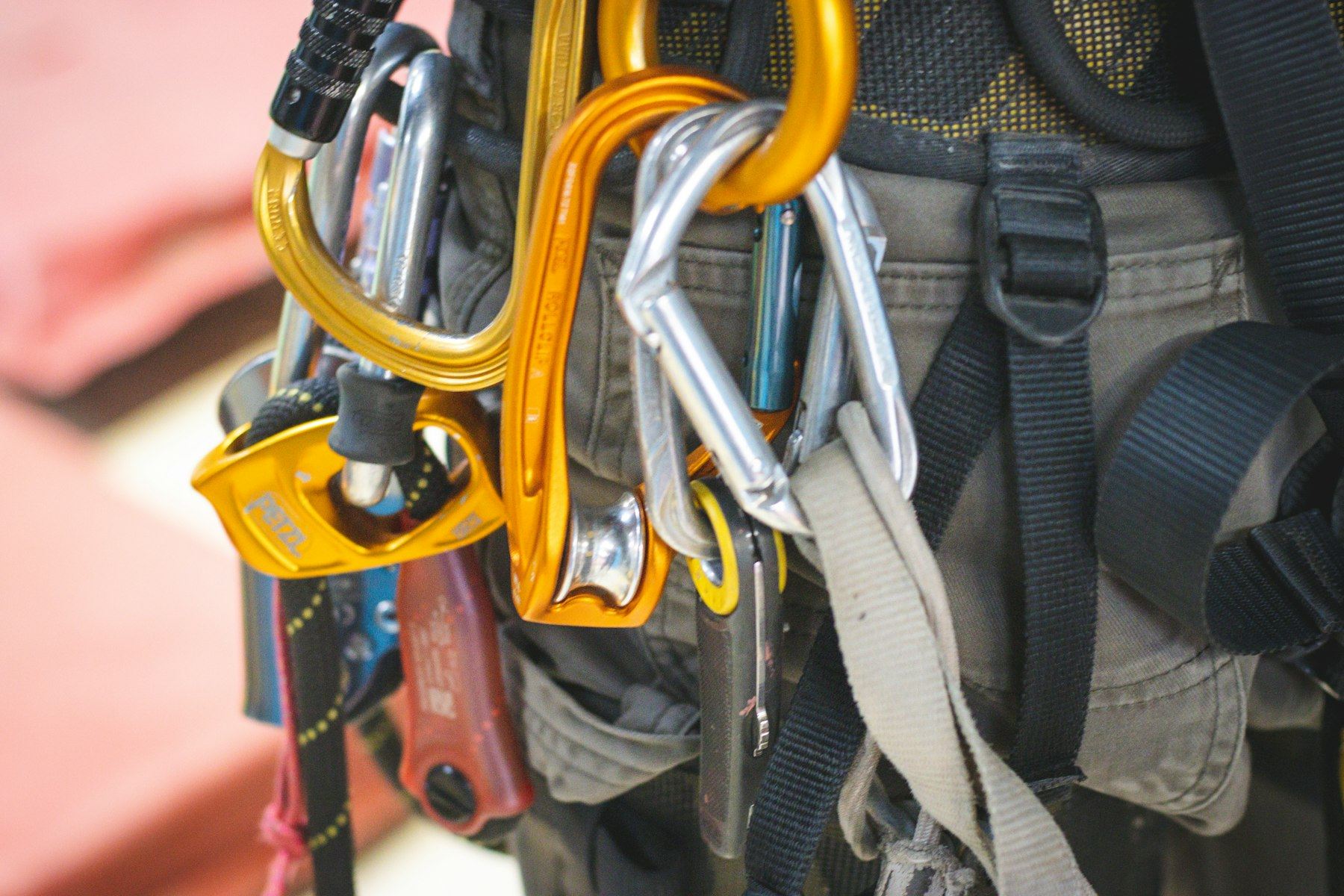
PPE and lifting gear carry inspection records, and anything out of date or out of certification is withdrawn rather than kept in service until someone notices.
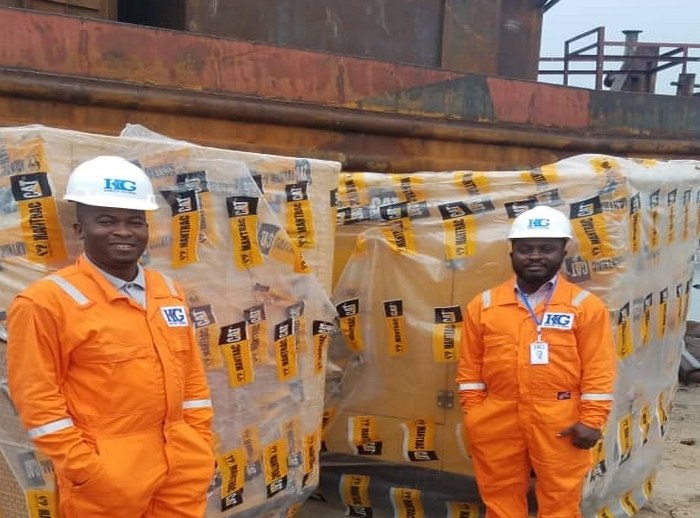
The same discipline applies to the tools and plant we put on a client's site through our procurement chain: equipment arrives with its documentation, or it does not go to work.
See how we deliver →Compliance is the floor, not the target.
It is the target every job is planned and measured against: no injuries, and no time lost to incidents. It is a standard we hold ourselves to, not a claim that risk does not exist — which is precisely why the controls below are applied on every scope regardless of size.
Anyone on the crew. Stop-work authority is not reserved for supervisors, and using it is never treated as a fault.
Both. Our QHSE plan is agreed with the client before mobilisation and aligns to their permit-to-work and reporting requirements, on top of our own standards.
NUPRC and NCDMB frameworks, alongside a quality management system certified to ISO 9001:2015.